
When clients picture a professional makeup appointment, they usually think about color, lashes, liner, or the finished look in photos. That makes sense, but makeup only performs as well as the skin underneath it allows. If the skin is calm, balanced, and comfortably hydrated, makeup usually sits better and lasts better. If the skin is flaky, irritated, oily from overcompensation, or reacting to too many products, even a beautiful makeup application has more to fight against.
That is why skin prep matters so much. Good prep does not mean doing the most. It means helping the skin arrive at the appointment steady enough that the makeup artist can build on it instead of spending the first part of the booking trying to correct it.
At Clear Skin Medi Spa, this is one of the most common event-week mistakes we see. Someone has a wedding, party, shower, graduation, or photo session coming up, and they suddenly decide it is the perfect time to try 3 new products, a stronger exfoliant, or an intense facial treatment they have never done before. They mean well. They want their skin to look its best. What often happens instead is redness, dryness, pilling, congestion, or a barrier that feels unsettled right when they needed it calm.
The best prep is usually calmer than people expect. This guide walks through what to do in the days leading up to your professional makeup appointment, what to avoid, how to think about facials before an event, and how to help your skin look like the best version of itself without turning prep into a gamble.
Stable skin almost always wears makeup better than overworked skin
This is the main rule underneath everything else in this guide. Stable skin usually beats overmanaged skin.
Clients often think event prep should look intense. They picture extra masks, extra exfoliation, extra serums, extra treatments, and a more elaborate routine than normal. In reality, the skin usually performs better under makeup when it feels predictable.
Predictable skin is skin that:
- is not peeling
- is not burning
- is not suddenly congested
- is not shiny from over-stripping
- is not reacting to something new
When the skin feels stable, the makeup artist can focus on finish, color, balance, and wear evenly. When the skin is unstable, the appointment turns into damage control first.
This is why event prep should usually be judged by one question: is this helping my skin stay steady, or am I introducing more variables because I am nervous? That question alone can prevent a lot of regret.
Last-minute product changes are one of the easiest ways to ruin event prep
The biggest mistake people make before a makeup booking is trying to upgrade their whole routine in the final stretch.
They buy a new exfoliating toner because it promises glow. They add a stronger serum because they want smoother skin fast. They use a richer cream because they are afraid of dryness. They try a product a friend swears by because it looked good on someone else. All of those choices may sound helpful in theory. Event week is usually not the time for them.
AAD guidance around patch testing and skin sensitivity matters here because the underlying point is simple: new products can irritate skin, and irritated skin is much harder to work with than skin that was left alone.
This does not mean your routine has to stay frozen forever. It means the final stretch before an important appointment is not the best time to experiment. If your skin already likes what you use, that routine is often the safer route.
Clients sometimes worry simple prep means they are not doing enough. Most of the time, doing less is exactly what protects a better result.
Your makeup booking should not be the week you decide to rescue your skin
There is a specific kind of panic that shows up before events. A client looks in the mirror, notices texture, dryness, or congestion, and decides the skin needs to be fixed immediately. That emotional shift is understandable, but it often leads to rushed decisions that make the skin harder to work with.
Professional makeup appointments go best when they build on a skin routine that was already reasonably supportive. They do not go best when the client is trying to overhaul the skin in 3 days.
If your skin has felt off for a while, the better approach is to build a steadier plan earlier. Event week is usually for protecting what is already going well, not reinventing everything. That means:
- no panic shopping
- no strong products you have never used before
- no harsh scrubs because the skin "needs a reset"
- no aggressive layering of acids and actives
The calmer your choices get, the more the skin usually settles into a better place.
Hydration matters, but heavy product layering can still backfire
Clients often hear that hydrated skin wears makeup better, which is true. The mistake is assuming that means applying as many hydrating products as possible.
Hydration helps when the skin needs moisture support and the products are well tolerated. Too many layers can create a different set of problems:
- pilling
- slipping
- sunscreen breakdown
- surface heaviness
- a film that changes how makeup grips
That is why skin prep should aim for comfort, not thickness. The skin should feel supported, not coated. A makeup artist can always build with the skin in front of them more easily when the prep underneath is clean and consistent.
This is especially important for clients with combination or oily skin, because panic-moisturizing can sometimes leave the face looking polished for 10 minutes and then greasy or unsettled later.
Dry skin, oily skin, and sensitive skin do not need the same event prep
One reason makeup prep advice can feel confusing is that not all skin needs the same thing. A tip that helps one person can easily frustrate another.
If your skin tends to feel dry
The goal is usually to keep hydration steady in the days before the appointment, not to flood the skin with heavy products at the last second. Dry skin often wears makeup best when it has been consistently moisturized, not when it is suddenly overtreated the night before.
If your skin tends to feel oily or congested
The goal is balance, not over-drying. Clients with oilier skin often make the mistake of stripping the skin before makeup because they are afraid of shine. That can backfire if the skin becomes tight, reactive, or uneven. Gentle cleansing and a balanced routine usually work better than trying to force the skin into dryness.
If your skin is sensitive
The goal is fewer variables. Sensitive skin often needs the least dramatic event prep of all. Stability is the priority. If your skin reacts quickly, the safest route is usually sticking with what already works and avoiding impulse decisions.
The makeup artist can always refine the finish better when the skin is calm. They cannot easily erase a reaction that started the day before.
Exfoliation can help, but timing decides if it helps or hurts
Exfoliation is one of the most misunderstood parts of event prep. Clients know makeup sits badly on flaky or rough skin, so they decide exfoliation must be the answer. Sometimes it is. Sometimes it is the reason the skin becomes harder to manage.
The useful rule is simple. If your skin already tolerates a certain level of exfoliation well and it is part of your normal routine, you usually do not need to stop that habit entirely. If you are thinking about stronger exfoliation than usual, event week is usually the wrong time.
This is where people get into trouble. They feel roughness and try to scrub it away quickly. The result is skin that looks smoother for a moment and then becomes:
- red
- reactive
- dry
- tight
- harder for makeup to sit on evenly
That is why we usually prefer a gentler lead-in to the appointment. The aim is to keep the skin smooth enough and calm enough, not to push it to its limit.
A facial before makeup can be a great idea, but timing is everything
Clients often ask if they should book a facial before a makeup appointment. The honest answer is yes sometimes, no sometimes, and the deciding factor is usually timing and skin history.
If your skin already responds well to regular facials, and you know what treatment suits you, a facial booked with enough room around the event can be a great addition. The right facial can help the skin look more refreshed, more hydrated, and more polished before makeup.
The problem starts when the client books:
- a new facial they have never tried before
- a stronger resurfacing service too close to the event
- a treatment their skin has reacted to in the past
- a facial with no recovery room afterward
That is where good intentions become a risk.
For many clients, a glow-focused service like Hydrafacial or OxyGeneo can be a better event-week option than a heavier exfoliating choice, provided the timing is sensible and the skin already tolerates those services well. Still, the exact answer depends on the client. The safest facial before makeup is usually one the skin already knows.
Brows, facial hair, and lips deserve prep too
Skin prep is often discussed as if it only means cheeks, forehead, and moisturizer. In real life, the smaller details around the face can change how polished the final makeup feels.
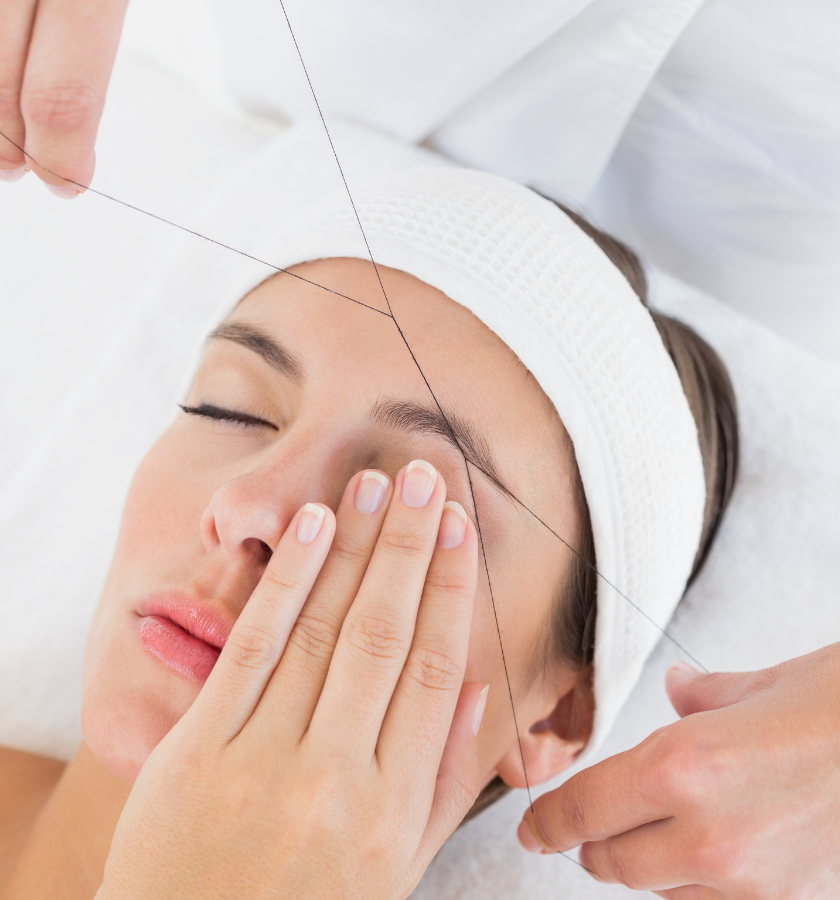
Brows matter because they frame the eyes. If you already know you like brow grooming, planning threading or another brow cleanup with enough room before the event can help the whole look feel more finished. Facial hair matters because complexion products can sit differently over upper lip or side-of-face texture. Lips matter because dry or peeling lips can make even a beautiful lip color look rough.
This does not mean booking every beauty service possible in the same week. It means thinking through the details early enough that nothing has to be rushed. A little planning around brows, facial hair, and lip care often does more for the final look than adding another serum ever will.
If your skin is unpredictable, simpler prep often wins over treatment stacking
Clients with unpredictable skin often want extra insurance before an event. That can lead them to stack too much at once:
- a facial
- new skin care
- extra masks
- stronger exfoliation
- more spot treatments
The thinking is understandable. The result is often chaos.
If your skin is known for reacting unpredictably, there is a strong case for simplifying instead of escalating. Calm skin may not feel exciting, but it is much easier for a makeup artist to work with than skin that is mid-reaction.
This is especially true if you are:
- acne-prone
- rosacea-prone
- quick to sting or flush
- already dealing with barrier sensitivity
In those cases, simple prep is not lazy. It is strategic.
The week-of timeline matters more than people expect
Clients often ask exactly when to do things, and that question is smart. Good prep is not only about what you do. It is about when you do it.
In the earlier part of the week, the focus is usually consistency. Keep cleansing gentle. Keep moisturizer steady. Use only products you already know your skin likes. If you are booking a known-safe glow treatment, leave enough room around the event for the skin to settle and for you to see how it responds.
In the final 48 hours, the focus usually shifts from improvement to protection. This is the point where new products, strong exfoliation, and rushed correction attempts do the most damage. The skin does not need to be pushed. It needs to be left in peace.
On the morning of the appointment, the focus becomes simplicity. Clean skin. Familiar products. Comfortable hydration. No drama.
Once clients understand that rhythm, prep feels much less chaotic. They stop treating event week like a race and start treating it like a steady lead-in.
Skin prep on the day of the appointment should stay very clean
Many clients ask what to do the morning of the appointment, and the answer is usually much simpler than they expect.
In most cases, the skin benefits from:
- gentle cleansing
- familiar skin care only
- moisturizer that already works for you
- sunscreen if you are going out before the booking
- no surprise products because you are suddenly nervous
That is often enough. The makeup artist can then work with clean, comfortable skin instead of trying to manage layers of products that were added out of stress.
This is also why product order matters more than product count. A clean, moisturized face is usually a better starting point than a face wearing 5 hopeful layers that may start pilling under primer or foundation.
There are a few common morning-of mistakes that can throw the whole look off
Even clients who prep well during the week can still make the appointment harder by doing too much the morning of.
Common mistakes include:
- using a rich sleeping mask because the skin "looks tired"
- scrubbing away a small flaky patch
- trying a new primer under skin care
- over-applying oils because you are afraid of dryness
- arriving in heavy makeup that has to be removed first
These choices are usually made from stress, not bad judgment. Still, they can change how the base makeup sits. The smoother path is almost always a cleaner one. Let the skin show up calm. Let the artist decide what the makeup needs from there.
If you want glow before makeup, the safest route is usually the one your skin already knows
Clients often ask how to get that brighter, fresher, event-ready look before professional makeup. The answer is not always to add more. It is usually to choose the safest known route for your skin.
For some clients, that may mean sticking with a calm home routine and doing nothing extra. For others, it may mean booking a familiar glow-focused facial with enough room before the event. The important word there is familiar. The skin usually responds best to services it has already handled well before.
This is one reason we often prefer a known treatment plan over a "special occasion gamble." If your skin already loves Hydrafacial or OxyGeneo, and the timing is sensible, those appointments can support the final look beautifully. If you have never done them before and your event is close, the smarter choice may still be to leave the skin alone.
Clients sometimes think restraint sounds boring. In event prep, restraint is often what protects the prettiest result.
Bridal bookings and important photos usually deserve a trial mindset
The more important the event feels, the less room there is for improvisation. This matters for brides, bridal party members, graduation portraits, brand shoots, and any appointment where the photos are meant to last.
When the event matters a lot, a trial mindset helps. That does not only apply to makeup. It also applies to skin prep. If you know you may want a facial before the final appointment, or you are curious about a certain prep rhythm, testing that earlier gives you much more useful information than gambling close to the date.
The advantage of trial thinking is simple. It replaces guesswork with memory. You already know how the skin looked. You already know how it felt. You already know if the timing worked. That kind of clarity is hard to beat.
Even if the final prep ends up being very simple, clients usually feel calmer once they know they are not walking into the appointment on blind hope alone.
The best prep also depends on how long the makeup needs to last
If your makeup appointment is for an all-day wedding, a long event, or photos that will run from morning through evening, prep should support wear as much as first-impression finish.
That does not mean using harsher products. It means thinking about balance. Skin that is too dry may grab makeup unevenly. Skin that is overloaded may cause slipping later. Skin that is irritated may break up the look no matter how carefully the makeup is applied.
Clients often assume longevity is purely the artist's job. The truth is that longevity starts much earlier. The skin beneath the makeup plays a huge role in how beautifully the result holds through the day.
Travel, weather, and stress can change what your skin needs
Event prep gets even trickier when travel or stress enters the picture. Lack of sleep, airport air, hotel products, weather shifts, and stress hormones can all change how the skin behaves.
That is one reason we encourage clients to avoid overcomplicating prep around travel. The skin may already be handling:
- dryness
- puffiness
- congestion
- irritation
- schedule disruption
When those factors are already in play, staying close to your normal routine is often more helpful than trying to add a lot of correction on top.
The more moving parts the week already has, the more valuable simple prep becomes.
The goal is not perfect skin. The goal is makeup-ready skin.
This mindset helps clients more than almost anything else. Makeup-ready skin does not mean every pore disappears and every texture issue vanishes before the booking. It means the skin is calm enough, balanced enough, and supported enough that makeup can sit beautifully on top of it.
Once clients understand that difference, they stop chasing impossible last-minute perfection and start protecting the skin they already have. That shift usually leads to a much better final result.
Questions clients ask before a professional makeup appointment
Should I exfoliate the night before?
Only if that is already normal for your skin and you know your skin responds well to it. The night before an important booking is usually not the time to be more aggressive than usual.
Can I wear makeup to the appointment?
Follow your artist's instructions, but many clients do best arriving with calm, clean skin so the artist has a fresh starting point.
Should I try a new serum or mask if my skin looks tired?
Usually no. Event week is a bad time for experiments. Tired skin often does better with rest, hydration, and routine consistency than with a last-minute product gamble.
Is a facial necessary before makeup?
No. A facial can help in the right circumstances, but it is not required. If timing is tight or your skin is reactive, simpler prep may be safer.
What if my skin is flaky?
That is one reason event prep should start earlier rather than later. If the flaking is already there, resist the urge to scrub aggressively. Focus on calmer skin support and let the makeup artist work from there.
What if my skin is oily?
Do not try to strip it dry before the appointment. Balanced skin usually performs better than skin that has been over-cleansed into reactivity.
How we guide clients at Clear Skin Medi Spa
At Clear Skin Medi Spa, we want the skin to show up ready for makeup, not mid-recovery from a rushed experiment. That usually means simple, familiar prep, steady hydration, careful timing around any facial service, and fewer last-minute decisions.
If you want extra support before a special-occasion makeup appointment, we can help you think through what makes sense for your skin, including timing around services like Hydrafacial or OxyGeneo when appropriate. If your skin is reactive or unpredictable, we will tell you that simple prep is the better move.
That is the standard we use for every recommendation. Not doing the most. Doing what gives the skin the best chance of looking calm, comfortable, and ready for beautiful makeup all day and night.
If you are ready to book, you can book makeup now or explore our other services page to pair the appointment with the right skin support.