
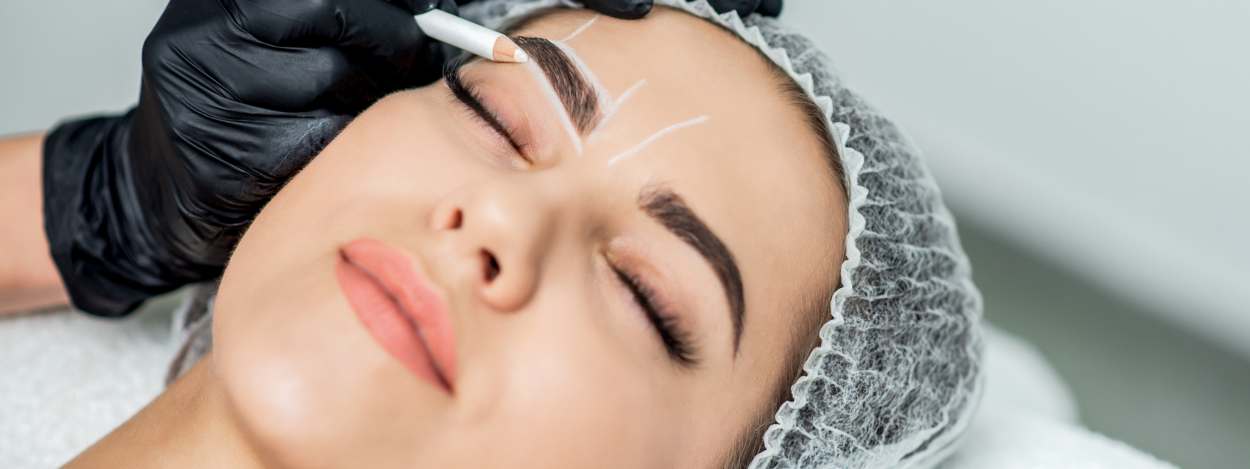
If you are thinking about microblading, the first thing to understand is that this is not a casual brow grooming appointment. It is a form of permanent makeup. That matters because shape, pigment, healing, maintenance, and safety all carry more weight than they do in a normal brow wax or threading appointment.
That does not mean the service has to feel intimidating. It means it should be booked carefully. The clients who feel happiest afterward are usually the ones who understood what the service was designed to do before they ever sat down. They knew they were not booking a one-day beauty fix. They were booking a longer-lasting brow design treatment that needed planning on the front end and patience during healing.
At Clear Skin Medi Spa, one of the biggest things we try to give first-time microblading clients is clarity. Some people walk in wanting fuller brows. Some want better symmetry. Some are tired of filling their brows in every morning. Some have overplucked in the past and want more structure back. Those are all valid reasons to consider microblading. The key is making sure the treatment, the design, and the expectation all match.
This guide walks through the full decision in plain language. We will cover what microblading is, who it tends to suit best, what to think about before you book, how healing usually works, why safety matters so much, what upkeep still looks like later, and when a simpler brow service may actually be the better choice.
Microblading is a permanent makeup service, not a regular brow appointment
Microblading sits in the permanent makeup category. The FDA treats permanent makeup within the same broader safety conversation as tattooing because pigment is being placed into the skin. That single point should shape how you think about the appointment.
It means the service has 2 equally important sides:
- the cosmetic side
- the safety side
The cosmetic side includes shape, pigment tone, softness, symmetry, and how natural the result looks on your face. The safety side includes skin preparation, sanitation, instrument control, healing, and the fact that this is a longer-lasting result rather than something that disappears when you wash your face.
This is why microblading should not be chosen the same way you choose a last-minute beauty appointment before the weekend. Even when the brows look soft and natural afterward, the decision deserves more care than that.
Clients sometimes downplay the permanent makeup angle because they are afraid it will sound too serious. In reality, taking that part seriously is what usually protects a beautiful result. When a client understands that the treatment is lasting, they usually ask better questions, think more carefully about design, and approach healing with more patience.
The best microblading result is not the trendiest brow
One of the easiest ways to make a poor brow decision is to start with trend photos instead of your own face. Trend pressure is strong in brow services because brows change the whole expression of the face. A shape that looks striking on someone else can feel heavy, too sharp, or simply wrong on you.
The best microblading result usually comes from starting with:
- your natural brow pattern
- your facial proportions
- the amount of brow hair you already have
- how much definition you want in daily life
- how much makeup you usually wear
Our service page already reflects that design matters. We describe the treatment as being customized to facial features and preferences. That point deserves more emphasis because it is where good results often begin.
A client who wants a very bold result needs a different conversation than a client who wants people to think their brows simply look fuller on their own. Neither preference is automatically wrong. The issue is making sure the design suits the face and the lifestyle.
That is also why the best first consultation usually feels more like a discussion than a quick yes-or-no booking. Brow design is personal. It needs room for questions.
Skin type and daily habits can change how the result heals and lasts
Many first-time clients focus on the appointment itself and do not spend enough time thinking about their own skin. That can create the wrong expectation before the treatment even begins.
Microblading heals in skin, not on paper. That means oil levels, product use, sun habits, sweating, and the way your skin usually handles irritation all matter. The point is not that one skin type is right and another is wrong. The point is that a lasting brow service needs to suit the client wearing it.
Clients with oilier skin sometimes notice that crisp hair-like detail softens faster than it does on drier skin. Clients who use active ingredients, exfoliating products, or frequent resurfacing treatments around the face may also need a more careful maintenance conversation. Someone who spends long stretches in the sun or exercises heavily most days may also want a realistic talk about upkeep before booking.
That is why a consultation should not stay at the level of "Do you like this brow photo?" It should also cover how your skin behaves in real life. A beautiful result is not only about the day of the appointment. It is also about how the brows settle, hold, and age on your face in the months that follow.
If you know your skin is reactive, oily, scar-prone, or quick to shed pigment from cosmetic treatments, that is not a reason to panic. It is a reason to bring those details up early so the plan fits you better from the start.
Why people usually book microblading in the first place
Most first-time microblading clients are not trying to completely reinvent their face. They usually want help with a problem that has been bothering them for a long time.
Common reasons include:
- brows that look sparse
- patchy areas that are hard to fill evenly
- uneven shape from side to side
- old overplucking
- a desire to spend less time on daily brow makeup
- brows that disappear in photos or on makeup-free days
Those concerns are real because brows affect balance more than many people realize. Someone may have beautiful skin and still feel unfinished every day because their brows do not frame the face the way they want.
Microblading often becomes attractive because it promises:
- more structure
- fuller-looking shape
- softer daily maintenance
- a result that lasts longer than makeup
That is why the service stays popular. It solves a repetitive daily frustration.
Still, the happiest clients are usually the ones who want enhancement, not a completely different identity. Microblading tends to look best when it supports your face instead of overpowering it.
Brow mapping and design should be treated like the heart of the appointment
A lot of people focus on the pigment and forget that shape is really the core of the result. If the brow shape is wrong for your face, good pigment retention will not save it. If the shape is thoughtful and balanced, the whole treatment tends to feel more natural from the start.
This is why brow mapping matters so much. On our service page, we talk about careful measuring and design before pigment placement begins. That is the part that should make a first-time client feel safer, not rushed.
A good design conversation should help answer:
- How structured should the brow look?
- How soft should the front of the brow be?
- How much arch works for your face?
- How much existing hair will be blended into the design?
- How dark or soft should the healed result feel?
Clients sometimes worry that asking too many design questions will make them look difficult. It will not. A lasting brow result should invite questions. This is one place where speaking up early is much easier than trying to fix regret later.
The right design usually feels believable on your face. That does not mean invisible. It means balanced.
Healing is part of the treatment, not an annoying extra step
One of the biggest reasons first-time microblading clients panic is that they judge the result too early. Fresh brows can look darker, sharper, or more intense during the early stage of healing. That does not automatically mean the final result will stay that way.
Healing matters because the brows you see in the first days are not the healed brows you live with long term. The skin is still settling. The pigment is still stabilizing. The overall softness and balance of the brow often become easier to judge later than they are right away.
This is why microblading should only be booked if you are prepared for:
- an early healing phase
- aftercare instructions
- patience before judging the final look
- the possibility of a follow-up refinement appointment
The mistake is not that people care too much. The mistake is that they assume day 1 and healed month 1 are the same thing.
Our service page already explains that healing and refinement are part of the plan. That detail matters because it helps clients understand they are not buying a single isolated moment. They are moving through a process with stages.
What healing can look like in the first days and weeks
Healing varies from person to person, but the broad pattern still helps to understand before you book.
In the first days, you may notice:
- some redness
- mild swelling
- brows that look darker than expected
- a sharper, more defined appearance than the final healed result
As healing continues, clients often notice:
- changes in how intense the pigment looks
- dry or healing skin around the area
- a period where the brows seem to soften or lighten
- a better sense of the true result as the area settles
This is one reason we tell clients not to plan microblading right before something important if they are not ready for that early phase. Even if the appointment itself goes well, the healing stage still needs to fit your comfort level.
Microblading is not the kind of service where you should expect to love every stage equally. The goal is the healed result, not the day-2 look.
Safety matters because this is pigment in the skin
This part deserves direct language. The FDA has warned consumers about risks related to tattooing and permanent makeup, including infections, allergic reactions, and contamination in tattoo inks. That does not mean every permanent makeup service is unsafe. It means safety should never be treated as a background detail.
When people focus only on before-and-after photos, they can miss the more important questions:
- What sanitation standards are being followed?
- Are tools handled properly?
- How is the skin prepared?
- How is aftercare explained?
- What happens if healing is not going as expected?
That safety conversation is part of good brow care, not separate from it.
It is also why consultation matters more if you:
- have sensitive skin
- form raised scars easily
- have had reactions to cosmetic products
- have health conditions that may affect healing
- are unsure how your skin typically responds to irritation
A good provider should want that information before the pigment work begins.
Microblading is not the same as brow tinting, threading, or pencil
Clients sometimes compare microblading with every other brow service at once, which makes the decision harder than it needs to be. Each brow category solves a different problem.
Brow makeup
This is still the most flexible option because it changes day to day. It works well if you like control and do not mind daily effort.
Threading or shaping
Threading and other brow-grooming services help shape the brows you already have. They do not create the same longer-lasting stroke pattern or structure that microblading can.
Tinting
Tint can darken existing hair and help the brow read more clearly for a while, but it is not the same as placing pigment into the skin to support missing or sparse areas.
Microblading
Microblading sits in a different lane because it is meant to create a longer-lasting design effect with pigment placement in the skin.
This is why microblading is not automatically better than every other brow option. It is better when the goal is the specific one it was built for.
The service is often best for people who want less daily brow work
One of the biggest emotional reasons people book microblading is simple fatigue. They are tired of filling the same areas every morning. They are tired of making the brows match. They are tired of checking photos and seeing gaps they notice before anything else.
Microblading can help reduce that repetitive effort. That is one of the most attractive parts of the service. It gives some people a brow base that feels more finished before they touch makeup.
That does not mean maintenance disappears forever. Our service page notes that refinement and future maintenance can still be part of the process. That is important because microblading should not be sold as a forever-once result. It is a longer-lasting service, not a never-think-about-brows-again promise.
Clients tend to be happiest when they book it for 2 reasons at once:
- they want a better daily starting point
- they are comfortable maintaining the result over time
That mindset leads to much more realistic satisfaction than a promise of permanent perfection.
Timing the appointment well can make the whole process feel easier
The date you choose matters more than many first-time clients expect. Microblading tends to feel much smoother when it is booked during a stretch where you can let the brows heal without pressure.
If you book too close to a trip, a wedding, a photo-heavy event, a beach holiday, or any week where you already know you will be impatient, the service can feel more stressful than it needs to. Even when the appointment itself goes well, the early healing stage still asks for patience. Fresh brows can look darker or sharper at first, and that alone can make some clients nervous if they chose a bad week for the appointment.
A better approach is to book when you have enough room in the calendar for:
- the first healing days
- aftercare
- some flexibility in your social schedule
- a calmer mindset while the brows settle
This is also worth thinking about if you have a busy exercise routine, swim often, or know that you will be in strong sun. Those practical details affect how easy it feels to follow aftercare.
One of the best questions to ask before booking is not only "When can I come in?" It is also "When can I give this service my full attention without resenting the healing process?" That small change in thinking protects a better overall result.
When microblading may not be your best next service
Sometimes microblading is not the smartest first step, even if fuller brows sound appealing.
It may be better to pause if:
- you are unsure how much definition you want
- you have not tried simpler brow shaping first
- your skin is highly reactive
- you are not comfortable with a longer-lasting result
- you are expecting an instant final look without healing
In some cases, a simpler brow service may be enough. For some clients, threading or makeup services may suit them better, especially if they still want to experiment with shape and softness before making a longer-lasting choice.
This is not a downgrade. It is simply a better match for where they are right now.
The smartest beauty decisions are often the ones made at the right time, not the fastest time.
Removal is not simple, and that should shape the decision
One of the strongest reasons to slow down before booking is that removal is not easy. The FDA notes that tattoo and permanent makeup removal often requires multiple treatments and may not remove pigment completely without scarring.
That point alone should change how casually someone approaches the service.
It does not mean you should be afraid of microblading. It means you should:
- take design seriously
- choose a provider carefully
- think long term
- avoid trend-driven decisions
If you already know you change your brow preference every few months, that is useful self-knowledge. It may mean a lower-commitment brow path fits you better.
A touch-up plan should be part of the first decision, not an afterthought
Microblading often gets marketed as a time-saving solution, and that part is real. Many clients do save daily effort. Still, it helps to walk into the service knowing that long-lasting does not mean fixed forever.
Our FAQ already notes that microblading results can last 1 to 3 years. That range matters because it tells you 2 things at once. First, fading is normal. Second, different clients make different choices about upkeep. Some people prefer to refresh the brows sooner because they like a stronger finish. Some are comfortable letting the brows soften before they revisit them.
The better question is not "How long will it last?" The more useful question is "What level of upkeep will still feel worth it to me later?"
That may include:
- future refresh appointments
- protecting the area from habits that fade results faster
- adjusting some skincare near the brows
- accepting that healed brows do not stay at fresh intensity forever
Clients usually feel more satisfied when they think of microblading as a longer-term beauty plan rather than a one-time event. That mindset creates less disappointment later because it matches how lasting brow services really work in daily life.
Questions to ask yourself before you move from interest to booking
Before you commit, it helps to answer a few questions in private without rushing yourself.
- Do I want natural-looking support for my brows, or am I chasing a dramatic trend?
- Am I comfortable with a result that lasts longer than tint, threading, or pencil?
- Can I be patient during healing instead of judging the brows too early?
- Does my current schedule give me room to handle aftercare properly?
- Am I open to future maintenance if I like keeping my brows polished?
None of those questions are meant to talk you out of the service. They are meant to help you book with a steadier mindset. The clients who feel most comfortable afterward are often the ones who gave themselves enough time to think about the commitment clearly before they ever sat in the chair.
Questions clients ask before their first microblading appointment
Does microblading hurt?
Comfort varies by person, but our service page notes that discomfort is usually mild and that topical numbing is used to help minimize it. What matters more than someone else's pain story is that you understand the whole process and healing timeline before you book.
How long does microblading last?
Our FAQ notes that results often last 1 to 3 years depending on skin type, aftercare, and how the pigment fades over time. That range is why upkeep planning still matters.
Can I choose the shape and color?
Yes. Our service page makes that clear. Shape and color are discussed based on your features, your brow starting point, and your preference for a softer or more defined look.
Is there downtime?
There is usually minimal downtime in the sense that people can go back to life, but there is still a healing period. Redness and swelling may happen early, and the brows will move through a settling phase before the final result is easier to judge.
Can I tint or shape my brows later?
Yes. Our FAQ notes that you can still tint or shape the brows afterward if needed, but it is best to coordinate any extra brow work with the artist so the overall result stays balanced.
Is microblading safe for sensitive skin?
Sensitive skin does not rule it out automatically, but it makes consultation more important. If your skin reacts easily or scars readily, bring that up before treatment.
What if I am unsure about the shape I want?
That is a sign to slow down, not speed up. A good design conversation should leave you feeling clearer, not pressured.
How we guide first-time microblading clients at Clear Skin Medi Spa
At Clear Skin Medi Spa, we treat microblading like the brow-design service it is, not like a rushed beauty add-on. The goal is to help you choose a shape and finish that feels right on your face and in your daily life, while also respecting safety, healing, and long-term maintenance.
Our microblading service is built for clients who want fuller-looking, more balanced brows and less daily brow effort. We talk through shape, color, healing, and aftercare because those are the details that protect a result you will still feel good about later.
If you are ready to explore it, you can book microblading now or visit our Microblading page to learn more about the service at the clinic.