
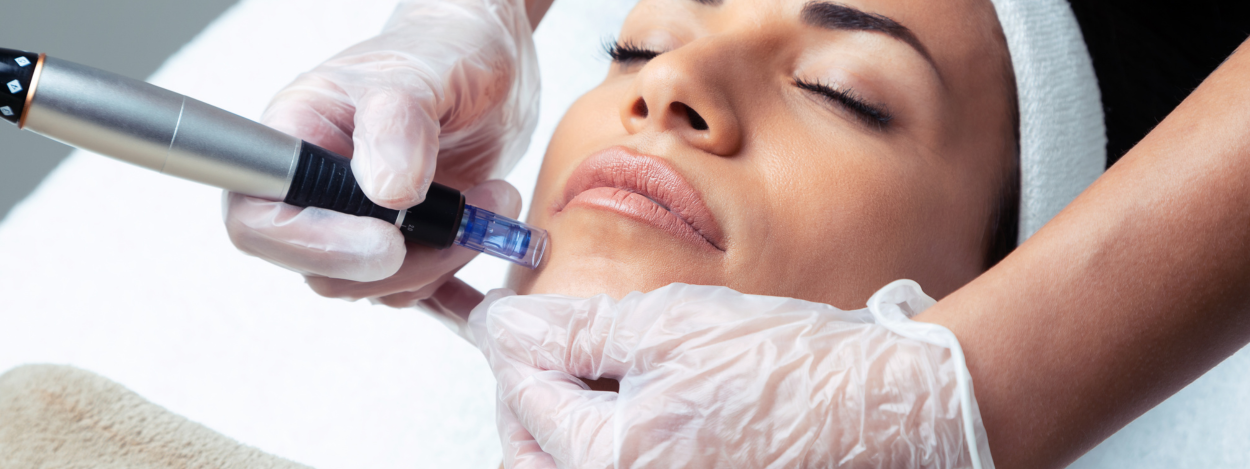
Microneedling is one of the treatments people ask about when they want more than a surface refresh. They usually come in with the same group of concerns. Their skin feels rougher than it used to. Old acne marks are still showing. Fine lines are starting to bother them. Makeup is not sitting as smoothly. The overall look of the skin feels tired, even when the routine is good.
Microneedling is a strong option in those situations because it is a treatment built around renewal over time. It is not the same as a glow facial. It is not meant to act like a one-day event treatment. It is also not surgery or a long-recovery procedure. It sits in the middle. It is more corrective than a basic facial, but it still fits into real life for many people when they understand how to plan around the recovery window and how to space treatments properly.
At Clear Skin Medi Spa, one of the biggest things we explain before someone books is that good microneedling decisions are usually about timing as much as they are about results. The treatment itself matters, but so does what your calendar looks like for the next few days, what products are in your routine, how reactive your skin tends to be, and if you are expecting one appointment to do the work of a full series. Those practical details often decide how happy a client feels afterward.
This guide is here to make that clearer. We will walk through what microneedling is trying to improve, how the treatment works, what the recovery window often looks like day by day, what needs to be paused before and after treatment, how it compares with other skin-renewal options, and when it may be the wrong first step.
Microneedling is built for texture, scars, and overall skin renewal
Microneedling is usually booked when the goal is not only brightness, but change in how the skin looks and feels over time. The American Academy of Dermatology says microneedling can improve fine lines, wrinkles, enlarged pores, stretch marks, mild scars, and skin texture. That list matches the questions people bring to us most often.
At Clear Skin Medi Spa, we usually talk about microneedling when the concern is:
- rough or uneven texture
- post-acne marks and certain acne scars
- early fine lines
- skin that looks less firm than it used to
- a general sense that the skin surface needs more than regular maintenance
This is one reason the treatment keeps its place in a long-term skin plan. It is not usually booked because someone wants a quick glow before dinner. It is booked because they want the skin to rebuild in a more meaningful way.
That distinction matters. If someone only wants a brighter finish before an event, a treatment like OxyGeneo or Hydrafacial may be easier to fit into the week. Microneedling usually enters the conversation when the goal is more corrective.
Our service page also reflects that focus. We position microneedling around acne scars, rough texture, fine lines, stretch marks, and visible renewal. Those are not casual maintenance concerns. They are the kinds of issues that usually ask for a stronger plan than a basic facial can offer.
What microneedling is actually doing in the skin
Microneedling works by creating controlled micro-injuries in the skin. The American Academy of Dermatology explains that these tiny punctures trigger the skin's healing response, which helps stimulate collagen and elastin production. That healing response is why the results build over time instead of appearing all at once the moment the treatment ends.
This is one of the biggest things people misunderstand. They expect microneedling to behave like a peel or a facial where the immediate after-look tells the whole story. That is not how this treatment works. The appointment starts a process. The skin then moves through healing and remodeling over the following days and weeks.
That is also why the treatment is often recommended as a series instead of a one-off visit. The American Academy of Dermatology says most people receive 3 to 6 treatments for stronger results. In clinic, that usually makes sense because texture, scarring, and collagen support tend to respond better when the skin is treated consistently rather than only once.
At Clear Skin Medi Spa, our current service page also explains why we use the TWIST platform. The emphasis there is not only on the concept of microneedling, but on precision, comfort, consistent treatment depth, and controlled performance. For a client, the most important takeaway is this: the treatment is meant to be controlled and deliberate. It is not random injury to the skin. It is a planned stimulus designed to help the skin rebuild in a more useful way.
The best microneedling candidates usually have a longer view of results
Clients who do best with microneedling are usually the ones who understand that the goal is progress over time. That does not mean you have to wait forever to notice a difference. It means the biggest value of the treatment is in the way the skin gradually looks smoother, more refined, and more even as the healing cycle moves forward over the weeks after each session.
Microneedling tends to be a strong fit when:
- you want to improve texture instead of only adding glow
- acne marks or mild scarring still bother you
- you want to support collagen without surgery
- you can plan around a short recovery window
- you are willing to do a series if your skin needs it
The treatment is often less satisfying for clients who:
- want a same-day polished finish
- do not want any visible redness afterward
- are hoping 1 appointment will solve a long-standing concern
- do not have room in their calendar for even mild downtime
This is why consultation matters so much. A person can be a very good microneedling candidate from a skin-goal point of view, but still have the wrong timing that week. Someone else may be ready for the treatment physically, but their expectations may fit a different category of service better.
When the timing and expectations line up, microneedling can be a very smart treatment. When they do not, the same treatment can feel inconvenient or underwhelming even if nothing technically went wrong.
Recovery planning matters almost as much as the treatment itself
One of the strongest reasons people hesitate around microneedling is that they are unsure what the recovery will actually look like. That uncertainty makes sense because the phrase short downtime can mean different things to different people. For one person, it means they are fine going back to normal the next day. For another person, even 2 days of visible redness feels like a lot.
The American Academy of Dermatology says skin often looks red and swollen after microneedling and may feel mildly uncomfortable for a few days. The FDA also advises that after microneedling, the skin may be pink, dry, tight, and more sensitive to sun exposure and products. Those are important baseline expectations because they help clients plan more realistically.
At Clear Skin Medi Spa, our microneedling page also tells clients to expect mild redness and a short recovery window, usually a few days. That matches what many people see in practice, but the exact timeline still depends on the treatment depth, the area treated, your skin sensitivity, and how closely aftercare is followed.
The better way to think about it is not to ask for one universal recovery script. The better question is: what will my skin probably look and feel like in the first week, and can my schedule absorb that?
That is the lens we use in clinic because it is the one that helps most.
What the first 24 hours after microneedling can feel like
The first day is usually the most noticeable part of recovery. Right after treatment, the skin often looks pink to red and can feel warm, tight, and more reactive than usual. Some clients compare it to the look of a sun-flushed face. Others feel more of a warm tightness than visible redness. Both can be normal.
The American Academy of Dermatology notes that redness and swelling often show up right away. The FDA says the skin may be more sensitive to sunlight and to skin care products in this stage. That is why the first day is not the time to test products, wear makeup too soon, or expose the skin to unnecessary heat.
At Clear Skin Medi Spa, our aftercare directions for microneedling also emphasize restraint in this early window. We tell clients to avoid:
- hot showers
- heavy exercise
- saunas and hot tubs
- direct sun
- unnecessary touching
- makeup for the first 24 hours
That list is not meant to make recovery feel complicated. It exists because fresh skin does better when it is left alone. Friction, heat, and product overload can make the skin feel more reactive than it needs to.
The first 24 hours are usually about calm support:
- cleanse gently if instructed
- keep the skin hydrated
- use only the products recommended for freshly treated skin
- protect the skin from sun exposure
If someone is booking microneedling and hoping to attend a major event that same evening, this is the stage that makes the answer less ideal. The treatment is not designed for that kind of timeline.
What days 2 to 3 can look like after microneedling
For many people, the second and third days are less dramatic than the first, but the skin still does not feel fully normal. Redness usually settles down, though some people still look pink, especially if they are more reactive. Tightness, dryness, and a rougher feel can become more noticeable as the surface starts to recover.
This is often the stage where clients ask if their skin is supposed to feel a little dry, sandpapery, or uneven. In many cases, yes. The skin is still moving through early healing. That is why the safest move is usually not to speed up exfoliation or push active ingredients back in too fast.
Our service page says to keep the routine gentle and supportive, with cleanser, hydration support, and the recommended repair products. That advice matters because the second and third days are often when people are tempted to decide their skin "needs help" and add in stronger products too early.
This is also the window where sun care stays critical. The FDA warns that the skin can be more sensitive to sun after microneedling, and the American Academy of Dermatology consistently stresses sunscreen and sun protection after cosmetic procedures. Freshly treated skin and careless sun exposure are a bad combination.
If you work in person, have meetings, or plan to be out socially, this stage is the reason microneedling should not be booked the day before something important unless you already know your skin handles it very calmly.
What the rest of the first week often looks like
By the second half of the week, many clients feel more comfortable with how their skin looks in public. Redness often settles further, and the surface starts to look calmer. Some people still notice dryness or a slightly rough feel, but the more obvious reactive phase has usually passed for lighter treatment plans.
This does not mean the skin has fully finished the recovery process. It means the visible part is moving in a better direction.
The practical lesson here is that if you have:
- photos
- a wedding
- a trip
- a public event
- a major meeting
you usually want more space between the treatment and the date than you first think. Not because microneedling is unsafe, but because clients feel more relaxed when they are not watching the mirror and hoping the redness settles in time.
If the treatment is part of a series and you already know how your skin responds, you can plan more confidently. First-time sessions deserve a little more breathing room.
What to stop or pause before microneedling
Microneedling tends to go better when the skin is calm before treatment. That means the days leading into the appointment matter too. Our current service page says the skin should be calm and not overworked, and that matches the logic in professional guidance from the American Academy of Dermatology and the FDA.
Before treatment, the areas to review most carefully are:
- exfoliating acids
- retinoids
- strong acne products
- harsh scrubs
- recent peels or resurfacing treatments
- current irritation, cuts, or inflamed breakouts
We also want to hear about a history of:
- herpes outbreaks
- blood thinners
- strong skin reactivity
- recent procedures
- any condition that affects healing
That is not meant to make clients nervous. It is meant to help us decide if the timing is good or if the skin should be calmed first.
The FDA has also warned about microneedling devices being used in ways that are not appropriate for certain conditions or skin states. In clinic terms, that means the safest microneedling plan starts with accurate screening and clean timing. It should never be treated like a drop-in appointment for skin that is already inflamed.
In-clinic microneedling is not the same as home rollers
This comparison comes up all the time, and it deserves a clear answer. No, at-home rollers are not the same as professional microneedling. The FDA has issued safety communications warning that certain microneedling devices can cause serious injury if they are used incorrectly or for uses they are not cleared for. That alone should tell you this is not a category to treat casually.
The differences include:
- treatment depth
- device quality
- hygiene controls
- screening
- aftercare guidance
- the ability to match the treatment to the concern
At Clear Skin Medi Spa, our service page highlights the TWIST platform because control and precision matter. That is the opposite of the casual at-home mindset where people often assume more passes, more pressure, or more frequency will create better results.
The bigger risk with home needling is not only that it may do less than you hoped. It is also that it can create irritation, prolong redness, or make the skin harder to treat well later if it is done too aggressively or without proper hygiene.
If the goal is true skin renewal, professional microneedling is the category you should compare, not a home roller bought online or used without proper guidance.
Microneedling is often better than a glow facial, but not better for every timeline
Microneedling is often more corrective than a glow facial, but that does not mean it is always the better choice. It depends on the timeline and the concern.
If the goal is:
- event glow
- same-week polish
- hydration
- a smoother makeup finish with little to no downtime
then a treatment like OxyGeneo or Hydrafacial may fit more naturally.
If the goal is:
- more texture correction
- acne-scar support
- a stronger collagen-focused plan
- long-term skin renewal
then microneedling often makes more sense.
That is why we tell clients not to choose a treatment by reputation alone. The strongest treatment on paper is not always the smartest treatment for the calendar in front of you.
Microneedling and chemical peels solve different problems
Clients also compare microneedling with chemical peels, and it is a fair comparison because both live in the skin-renewal category. Still, they work differently and can fit different concerns.
Microneedling is often more attractive when the plan is built around:
- texture
- acne scar support
- fine lines
- collagen and elastin support
- gradual renewal over a series
Chemical peels are often a better fit when the plan is built around:
- surface dullness
- uneven tone
- pigmentation support
- post-breakout marks
- a more peel-specific resurfacing strategy
There is overlap, but not complete overlap. Some clients are better peel candidates. Some are better microneedling candidates. Some may use both categories at different times in a longer plan.
This is why self-diagnosing from social media rarely works well. The treatment that helped someone else most may have matched their concern, not yours.
When microneedling may not be the first treatment we recommend
Microneedling is a strong option, but it is not the first answer for everyone. We may slow down or redirect the plan if:
- the skin is actively inflamed
- the barrier is damaged
- acne is highly active in a way that needs a different first step
- the timing is too close to an event
- the client wants zero visible recovery
- another treatment fits the concern more naturally
This is especially important with clients who are motivated but rushed. It is very common for someone to come in 1 week before a major event wanting the most effective treatment possible. A better answer may be a calmer treatment with easier timing, not the most corrective option in the room.
We may also redirect the plan if the client is using too many actives already and the skin needs to settle before microneedling. That does not mean the treatment is off the table. It means the skin needs a better starting point.
Questions clients ask before they book microneedling
How many microneedling sessions do people usually need?
The American Academy of Dermatology says many people receive 3 to 6 treatments. The right number depends on the concern, the treatment depth, and how your skin responds over time.
Does microneedling help with acne marks?
Yes, it is commonly booked for acne marks and certain acne-scar concerns. The result still depends on the type of marks and the overall plan.
Is microneedling safe for darker skin tones?
The American Academy of Dermatology notes that microneedling can be used safely in people with darker skin tones because it does not remove the outer layer of skin the way some resurfacing treatments do. Planning still matters, but this is one reason the treatment remains useful across a wide range of skin tones.
How soon can I wear makeup again?
Follow the aftercare given at your appointment. In our clinic directions, we ask clients to avoid makeup for the first 24 hours so the skin has time to settle.
Can I work out right after treatment?
We recommend avoiding heavy exercise, saunas, hot tubs, and similar heat-heavy activities in the early recovery window. Fresh skin usually does better when you reduce heat and friction.
How long does the redness usually last?
It varies, but mild redness for a few days is common. The first 24 hours are usually the most obvious. The intensity depends on your skin and the treatment plan.
Can I book microneedling right before an event?
That is usually not the smartest timing for a first treatment. If the event matters, give your skin breathing room so you are not stressed about visible redness or tightness.
Can microneedling replace every other skin treatment?
No. It is a strong category for texture and renewal, but it is not the right answer for every goal. Sometimes another treatment fits the concern or the calendar better.
How we plan microneedling at Clear Skin Medi Spa
At Clear Skin Medi Spa, the point of microneedling is not to force a dramatic recovery. The point is to create a treatment plan that helps the skin rebuild in a useful way over time. That is why we focus so much on precision, comfort, proper spacing, and aftercare.
Our microneedling service uses the TWIST platform because controlled depth, comfort, and consistency matter. We also keep the planning practical. We talk about what you want to improve, what recovery window you can realistically manage, what your home routine looks like, and if the timing fits your life right now.
If your goal is smoother texture, help with acne marks, support for fine lines, and a more corrective skin-renewal plan, you can book microneedling now or visit our Microneedling page to see how we approach the treatment at the clinic.