
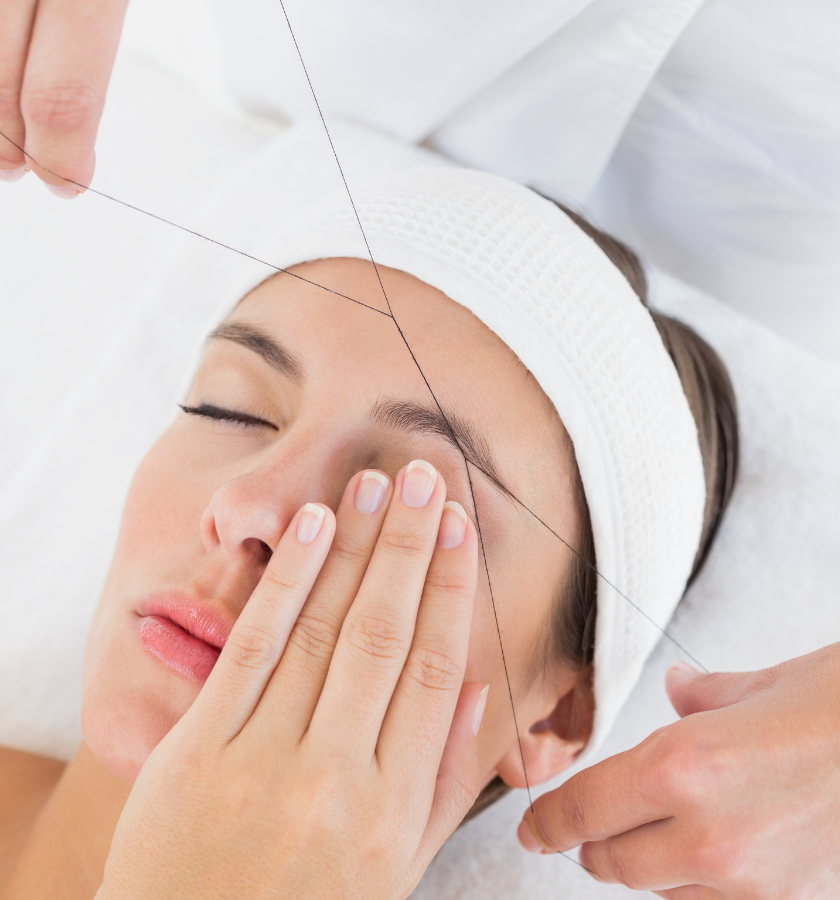
If you are deciding between threading and waxing for brows or facial hair, the fastest answer is this: threading usually wins when precision and skin sensitivity matter most, while waxing usually wins when speed and broader cleanup matter more. That short answer helps, but it is still not enough for a good decision.
What clients really want to know is which service will leave them happier with the result and less annoyed with the upkeep. They want to know which one suits their skin, their routine, and the area they want cleaned up. They also want to know why one method can feel perfect on one face and completely wrong on another. That practical difference is the entire reason this choice matters.
That is what makes this comparison worth slowing down for. Both services remove hair from the root. Both can leave the area looking cleaner for weeks. Both are used all the time in brow and facial grooming. Even so, they do not behave the same way, they do not feel the same on the skin, and they are not equally useful in every situation. The details are what make one appointment feel easy and another feel like a mistake.
At Clear Skin Medi Spa, we do not choose between them based on habit. We choose based on the result the client is asking for. This guide walks through how each method works, where each one tends to shine, what can make one a poor fit, and how we think through the choice in real life at the clinic.
Threading usually makes the most sense when precision is the main goal
Threading stays popular for a reason. It lets the provider remove hair with a very controlled line, which is exactly why so many clients choose it for brows and smaller facial areas.
That precision matters because facial grooming is not always about taking off a lot of hair. Often it is about taking off only the hair that should go while leaving the rest exactly where it belongs.
This is especially helpful for:
- brow cleanup
- defining a brow line
- upper lip cleanup
- chin or small facial areas where detail matters
- clients who are growing out their brows and do not want too much removed
Threading often appeals to clients who like the idea of visible control. They want to feel that the service is detailed, deliberate, and focused on the exact hairs that affect the line of the brow or the neatness of a small area.
This is one reason threading keeps a loyal following even among clients who have tried other methods. Once someone has had a brow line cleaned up in a way that feels accurate and balanced, it is easy to understand why they would come back.
Waxing usually makes the most sense when speed and larger cleanup matter more
Waxing still has a strong place because it is efficient. When the area is larger or the client wants quicker cleanup, waxing can make more sense.
This is why waxing often appeals in situations where:
- you want the area done quickly
- the skin already tolerates waxing well
- the zone is larger than a small facial detail area
- precision matters, but not at the level of single-hair cleanup
That does not make waxing careless. It simply means the strength of the method is different. If threading shines through detail, waxing often shines through speed and broader removal.
Many clients know this instinctively. They may prefer threading for brows but waxing for body areas. They may choose threading for a delicate upper lip and waxing in other facial zones. The best answer is not always one method forever. It is often a method matched to the area and to the client's skin.
Prep before the appointment can change how both methods feel
Clients sometimes compare threading and waxing without paying attention to what they did to the skin first. That can make the whole comparison unfair.
Threading usually asks for less prep drama. Clean skin and a clear conversation about sensitivity are often enough. Waxing can ask for more caution because products, exfoliation, sun exposure, and recent irritation can all make facial skin less tolerant of wax.
This is one reason a client may decide threading feels much better. It is not always that threading is magically better in every case. Sometimes it is simply the method that suits the current condition of the skin more naturally.
If the face is already dry, peeling, tender, or reactive from active products, waxing can become the wrong method for that day. That same client may still be perfectly happy with waxing at another time when the skin is calm.
Brows are usually where the difference becomes obvious fastest
If you want to understand the threading-versus-waxing decision quickly, look at brows first. Brows are where the strengths and weaknesses of each method become easiest to see.
Brows need:
- balance
- symmetry
- restraint
- detail
- a clean line without over-removal
That makes them a natural fit for threading in many cases. A client may not want a large section removed at once. They may want tiny changes that sharpen the brow line without changing the whole brow shape.
Waxing can still work for brows, especially if the skin handles wax well and the client prefers that method. Even so, threading often feels safer for clients who are worried about losing too much, want a more detailed finish, or know that their facial skin reacts easily.
This is why many clients who care deeply about brow design end up favoring threading even if they still use waxing elsewhere. Small differences matter more on the face. That alone can change the choice for years.
Facial skin often changes the conversation before the hair does
Many people choose between threading and waxing by thinking only about the hair. In reality, the skin often matters more.
Facial skin is exposed to:
- retinol
- acne products
- exfoliating acids
- brightening serums
- weather stress
- makeup
- frequent cleansing
That means the face often arrives at a hair-removal appointment more sensitized than body skin does. This is where threading can feel like the easier option because there is no wax being placed on skin that may already be reactive.
Waxing is not automatically wrong for the face. Plenty of clients tolerate it well. The issue is that facial skin gives you less room for carelessness. If the area is tender, over-exfoliated, peeling, or irritated, waxing can become a much poorer fit very quickly.
This is why the best facial hair-removal decisions are rarely made by looking at the hair alone. The skin is part of the decision every time.
Threading often feels gentler for clients who use active skin care
Clients using retinoids, exfoliating acids, or strong acne products often need more caution with facial hair removal. That does not mean they can never book a service. It means the method should respect the condition of the skin.
This is one of the strongest reasons clients lean toward threading. If the skin is already dealing with active ingredients, it often helps to avoid adding wax into that situation unless the provider is fully confident the timing and skin condition are appropriate.
Threading can feel like the lower-drama option in those cases. It still removes hair from the root, but it does not ask the skin to handle the same contact and pull of waxing.
This matters for clients who:
- use facial actives regularly
- deal with acne-prone skin
- get dry or flaky around the brows
- feel sensitive after skin care treatments
- know their face reacts faster than the rest of their body
The goal is not to make waxing sound unsafe in every case. The goal is to match the method to the condition of the skin on that day.
Waxing can still be the smarter choice when the client values speed over detail
Not every client wants detailed line-by-line cleanup. Some want efficient hair removal that gets the job done fast.
This is where waxing still earns its place. If the area is not tiny, the skin handles wax well, and the client does not need the finer control threading offers, waxing can be the more convenient option.
That speed matters more than some people admit. A client may be perfectly happy with a brow or facial result that looks neat and polished without caring about the level of micro-detail another client would notice instantly.
That is why this comparison should never become moral. One client is not more informed because they choose threading. Another is not less careful because they choose waxing. The better service is the one that serves the priority they actually have.
Pain tolerance and comfort are personal, so the better question is how each method feels to you
Clients often ask which service hurts more. There is no universal answer that feels honest for everyone.
Some people strongly prefer threading because they like avoiding wax and feel the service gives them more control over the result. Some dislike the sensation of threading and would rather have the area waxed quickly. Some are comfortable with both and only care about what suits the skin better.
This is why comfort should be treated as part of the decision, not an afterthought. A method can be technically suitable and still not be the one the client wants to repeat every few weeks.
The better question is often:
- Which one feels easier for me to maintain?
- Which one gives me the result I actually like?
- Which one leaves my skin calmer?
Those questions tell you more than trying to rank pain in the abstract.
The hours after the appointment matter too
Clients remember the mirror after the service almost as much as they remember the service itself.
Threading often appeals to people who want detailed cleanup with less concern about wax contact on the skin. Waxing can still leave a clean result, but on reactive facial skin it may ask for more aftercare discipline in the hours afterward. Heat, friction, active products, and extra touching can all make that early post-wax window feel more dramatic than it needed to.
This is why some clients who tolerate both methods still choose threading before events, meetings, or photo days. They like the control during the appointment and the calmer social comfort afterward.
Threading and waxing usually last in a similar general range, but maintenance still feels different
Because both methods remove hair from the root, clients often get a similar broad window of visible smoothness from both. Even so, the maintenance routine can still feel different.
Threading may feel more worthwhile to a client who cares about precision every time the brows are cleaned up. Waxing may feel more worthwhile to someone who wants a fast appointment and does not need that same degree of brow detail.
The time between visits is only part of the story. The bigger maintenance question is:
- How often do I want this done?
- What kind of result matters most to me?
- Which method keeps my skin calmer over time?
A service can last a similar number of weeks and still feel much more or much less convenient based on those factors.
Skin sensitivity should decide more facial-hair appointments than it currently does
A lot of clients know they have sensitive skin but still book based on habit. That is usually where frustration starts.
If the skin is easily irritated, prone to redness, or already reacting to products, sensitivity should not be treated like a footnote. It should be one of the first things guiding the decision.
Threading often becomes the better fit in that context because it lets us focus on hair removal without introducing wax to already delicate skin. That can matter a lot on:
- brows
- upper lip
- chin
- sideburn area
Waxing may still work if the skin is calm and the client knows it tolerates wax well. But when sensitivity is already a known issue, threading often gives the cleaner and more comfortable path.
The area being treated matters as much as the method itself
Clients sometimes try to pick one winner for all situations. That is not always the smartest way to think about it.
Brows ask for precision. Upper lip asks for care around sensitivity. Chin and sideburn area may call for a balance between detail and speed. Body areas often move the whole conversation toward waxing because threading is simply not the practical tool there.
Once you stop trying to crown one method as universally superior, the choice becomes much easier. The real question is not "Which one is better?" The real question is "Which one makes the most sense for this area on my skin?"
That is how we usually approach it at the clinic. Match the tool to the area. Match the method to the skin. Match the result to the client's expectations.
Sometimes the real goal is not hair removal alone, and that changes everything
This is one of the most important shifts clients can make. Sometimes they think they are choosing between threading and waxing when the real issue is that they want more than hair removal.
For example, if the client actually wants:
- fuller-looking brows
- more structure
- less daily brow makeup
- a longer-lasting brow design result
then the comparison may need to move beyond both threading and waxing and into a microblading conversation.
That does not mean threading or waxing become irrelevant. It means the client may be asking for a result that belongs in another lane.
This is why good consultations matter. The wrong service is often chosen when the client is talking about hair, but the outcome they really want is a better brow design overall.
When waxing becomes the wrong fit on the face
Waxing usually becomes a poorer fit when one or more of these are true:
- the skin is already irritated
- retinoids or exfoliating products are in regular use
- the area is very small and precision matters a lot
- the client has reacted badly to facial waxing before
- the client wants the cleanest possible brow detail
That does not mean waxing is a bad service. It means the wrong method on the wrong skin can create unnecessary irritation or a less refined finish.
Clients often feel relieved once that is said out loud. They stop trying to force a method to work for a face that keeps telling them it would prefer something else.
When threading may not be the best fit
Threading has plenty of strengths, but it is not automatically the best answer for every client and every area.
It may be less ideal when:
- the area is larger and speed matters more
- the client strongly dislikes the sensation
- body hair removal is the main goal
- the client wants a broader cleanup in less time
That is why waxing stays relevant. Some clients simply do better with the speed and broad removal it offers, especially outside smaller facial zones.
The point is not to over-romanticize threading. It is to understand where it is strong and where it is not the most practical tool.
Threading is rarely the practical answer for larger zones
This is worth saying plainly because it keeps the comparison grounded. Threading can be excellent for brows and smaller facial areas, but it is not usually the practical answer for broad zones where efficiency matters most.
That is where waxing usually keeps its advantage. The client may still prefer threading on the face and choose waxing everywhere else. That is not inconsistent. It is simply a smarter match between the method and the area being treated.
Once clients stop trying to make one service do every job, the whole decision becomes easier and much less frustrating.
Brow goals can change the answer over time
A client may use waxing happily for years and later move toward threading once they become more particular about brow detail. Another client may start with threading while growing the brows in, then care less about precision later and choose speed instead. That does not mean either one was wrong before. It only means the goal changed.
This happens a lot with brows because brow goals change. A client may want maximum fullness at one stage and only the most minimal cleanup possible. Later, they may want a quicker maintenance rhythm and be less concerned about line-by-line detail.
Once you understand that, the question becomes easier. You do not need one permanent rule for life. You need the method that suits your current brow goal, your skin, and the area being treated right now.
Growing out brows is one of the clearest reasons clients lean toward threading
Clients rebuilding their brows after years of over-removal often feel nervous about any grooming appointment. They want the brows tidied up, but they do not want to lose the fuller look they are trying to regain.
That is where threading often feels more reassuring. The cleanup can be more selective, which makes it easier to preserve the hair that still supports the fuller brow direction the client wants.
This matters for clients who:
- have overplucked in the past
- want to keep every useful brow hair possible
- are thinking about microblading later and do not want to thin the brow first
- want cleaner edges without turning the appointment into a full reshape
Waxing can still work for some clients in this stage, but threading often feels more comfortable because the client can see the brow being refined with more restraint.
Questions clients ask before choosing between threading and waxing
Is threading better than waxing for sensitive skin?
Often yes for brows and other small facial areas, especially when the skin is reactive or a client uses active skin care products regularly.
Which one gives a cleaner brow line?
Threading often wins on brow precision because it can target smaller sections of hair more deliberately.
Which one is faster?
Waxing is usually faster for larger areas. Threading often feels more worth the time on detailed facial work.
Does threading last as long as waxing?
Both remove hair from the root, so both can leave the area clean for weeks. The bigger difference is usually how the maintenance routine feels, not only how long the result lasts.
Is waxing bad for the face?
No, not automatically. It simply asks for more caution when the skin is already sensitized, irritated, or exposed to strong active products.
Should I choose threading for all facial hair?
Not always. It often fits brows and smaller facial areas very well, but the right answer still depends on the area, the skin, and the finish you want.
How we guide clients at Clear Skin Medi Spa
At Clear Skin Medi Spa, we usually guide clients toward threading when the priority is brow precision, smaller facial cleanup, or a method that feels better suited to reactive facial skin. We guide clients toward waxing when the area is larger, the skin handles wax well, and speed matters more than highly detailed line work.
If the real goal is fuller-looking brow design rather than hair removal alone, we may move the conversation toward microblading or another brow service instead of trying to force threading or waxing to do a different job.
That is the standard we use for every recommendation. Not habit. Not trend. The method has to fit the skin, the area, and the result the client actually wants.
For many clients, that answer becomes obvious once they stop asking for one forever choice and start asking which method fits this exact goal better today, next month, and later.
If threading sounds like the right option for you, you can book threading now. If you are comparing it with another brow approach, we can help you choose the better fit for your skin and your maintenance style.